


©2023 Busia Municipal Council All Right Reserved. Designed by Jarie Ventures and Technology Limited
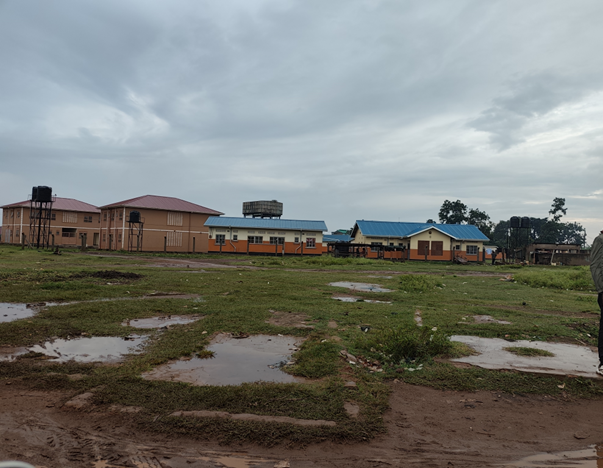
Busia Municipality Launches 2025–2030 Climate Change Action Plan
Busia Municipality has unveiled its Climate Change Action Plan (CCAP) 2025–2030, a bold roadmap to build resilience, reduce greenhouse gas emissions, and foster sustainable development.
Why This Plan Matters
Uganda’s greenhouse gas (GHG) emissions are largely driven by the Agriculture, Forestry, and Other Land Use (AFOLU) sector, which accounts for 86% of total emissions. Projections show emissions could rise from 90.1 MtCO₂e in 2015 to 235.7 MtCO₂e by 2050 under a “Business as Usual” scenario.
Busia Municipality, with its vibrant sectors—energy, transport, agriculture, waste, and industry—plays a significant role in this challenge. The CCAP provides a framework to address vulnerabilities, strengthen adaptive capacity, and guide climate-smart investments.
🎯 Key Objectives
The plan sets out four main goals:
- Establish a climate change and vulnerability baseline for Busia Municipality.
- Provide climate actions that build resilience and adaptive capacity.
- Facilitate climate risk decision-making with clear budgeting and implementation guidance.
- Promote a low-carbon, climate-resilient society through awareness and policy integration.
🌱 Vision Statement
“A resilient, sustainable, and climate-smart Busia Municipality where communities thrive in harmony with the environment, leveraging innovative solutions and local knowledge to mitigate climate impacts, adapt to changing conditions, and foster inclusive socio-economic development.”
🔑 Priority Action Areas
The CCAP targets 10 critical sectors:
- Energy
- Transportation
- Trade & Industry
- Agriculture
- Water & Environment
- ICT
- Land & Housing
- Social Development (Communities)
- Education
- Sports & Health
Each sector has defined outcomes and outputs to guide implementation.
Implementation & Oversight
The Busia Municipal Council, led by the Town Clerk, will oversee the plan. A Municipal Climate Action Steering Committee—comprising heads of technical departments—will coordinate efforts. The Municipal Climate Change Focal Person (Environment Officer) will serve as the secretariat, ensuring integration into budgets, work plans, and national frameworks (NCCP, NDCs, SDGs, Parish Development Model).
🤝 Partnerships & Financing
Implementation will be supported through:
- Municipal budget allocations
- Central government transfers & sector grants
- Development partner contributions
- Private sector investments in renewable energy, housing, waste management, and urban farming
- Community contributions (labor, materials, voluntary services)
- Innovative financing (climate bonds, carbon credit trading, green funds)

Busia Municipality is a local government in Busia District, Eastern Uganda, at the border of Kenya.
MUNICIPALITY SUMMARY
Location: Eastern Uganda 0°28’01.0″N, 34°05’24.0″E (Latitude:0.4669; Longitude:34.0900).
Land Area: Total Land: 7 km2
Population: 54,798.
GET IN TOUCH
P.O.Box 177, Busia-Uganda
Hadongole Road
Phone: +256 774 096 267